
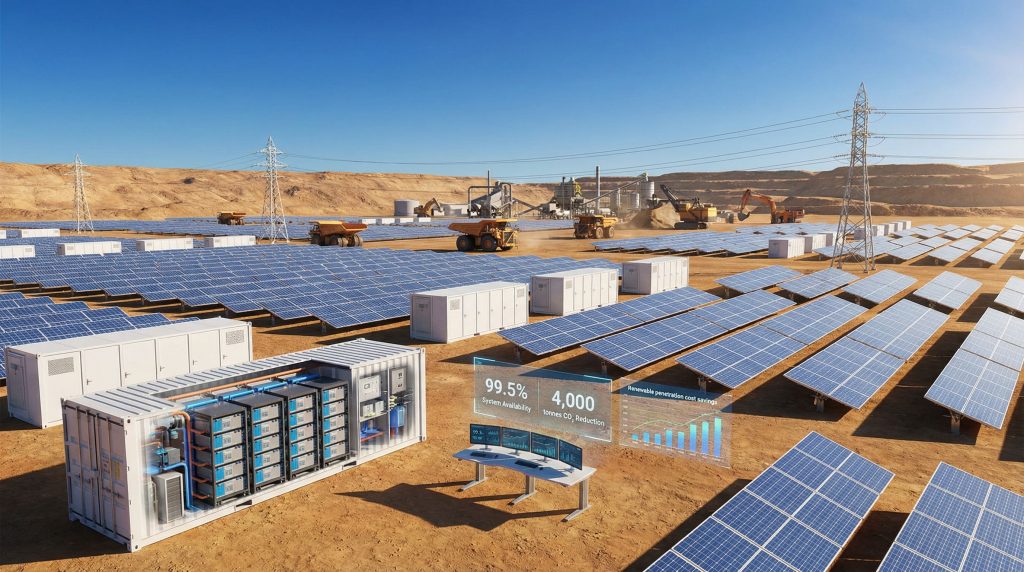
TDDL, a worldwide energy infrastructure company, collaborates with LH Energy to aid the energy transition, grid development, and infrastructure upgrade. It is taking advantage of a positive climate fueled by the expansion of renewable energy and the necessity to enhance transmission systems. TDDL’s enduring strategy in Argentina emphasizes local collaborations and regulatory adjustments, enhancement of local skills, and customized engineering solutions. It also encompasses solutions for low voltage, medium voltage, high voltage, and underground cabling. The technologies aim to allow the integration of renewable energy into the grid, encompassing wind energy, solar photovoltaic, and energy storage solutions. Argentina’s renewable generation capability has surpassed its transmission capacity, leading to curtailment risks and restricting the delivery of affordable renewable energy. TDDL’s positioning emphasizes grid-enabling elements like anchor shackles. These elements enable integration, stability, and reliability of the systems
Anchor shackles provide a secure, high-strength, and reliable mechanical link for handling tensile loads. The shackles join, secure, and terminate critical components in energy infrastructure. Anchor shackles transfer tensile forces between conductors, insulator strings, guy wires, and transmission towers. Their rounded shape distributes loads evenly and reduces stress concentrations that lead to mechanical failure. High-quality shackles provide reliability by resisting fatigue from vibration and dynamic loading. The shackles act as the link between the insulator hardware and the tower itself. Anchor shackles connect guy wires to ground anchors and tower structures. They provide stability in extreme weather conditions in Argentina. It has the ability to pivot that allows the guy wire to adjust to thermal expansion and contraction. Additionally, they connect solar farms, onshore wind, and offshore wind to increase the capacity.
Quality assurance for anchor shackles in energy transition infrastructure
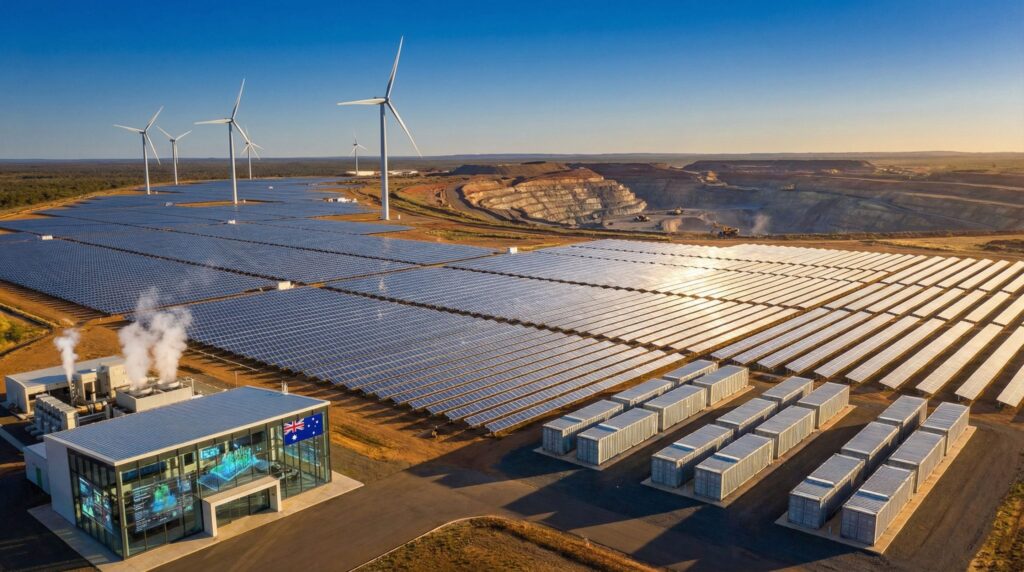
Quality assurance for anchor shackles in energy transition infrastructure covers wind farms, solar plants, transmission networks, offshore platforms, and BESS facilities. Anchor shackles serve in load-bearing connectors used in guying systems, lifting operations, conductor tensioning, and structural anchoring. QA begins with material verification through chemical composition analysis, grain structure verification, and mill test certificates. The quality assurance process extends through controlled production processes such as closed-die forging, heat treatment, and dimensional tolerances. The process also includes mechanical load testing, non-destructive testing, surface treatment and corrosion protection, and dimensional inspection. Quality assurance ensures that each shackle can withstand extreme loads, harsh environments, and long-term operational stresses. Robust QA prevents mechanical failure that can disrupt the entire network and protects the reliability and safety of large-scale renewable and energy storage systems.
Functions of the anchor shackles in Argentina’s grid and renewable expansion
Anchor shackles act as mechanical connectors within guying systems, transmission assemblies, and substation hardware. They are crucial components as they scale wind, solar, and grid infrastructure. Here are the key roles of the anchor shackles in expansion infrastructure.
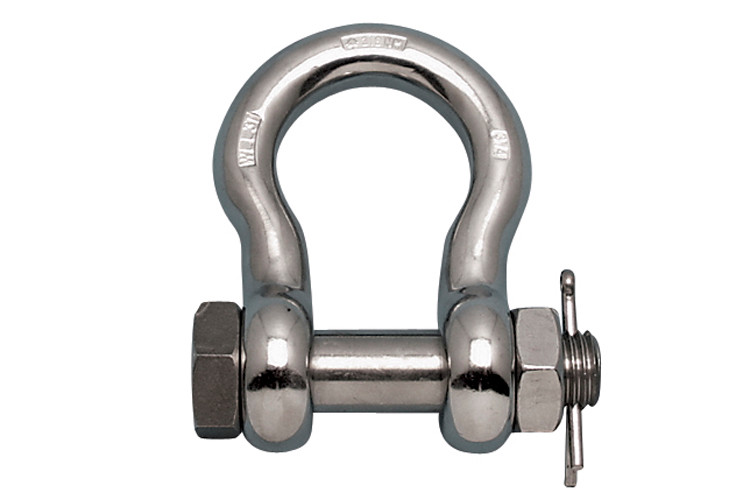
- Load transfer and mechanical connectivity – the anchor shackles connect load-bearing elements within power infrastructure. They link guy wires to anchors, poles, or towers and connect insulators, conductors, and structural fittings.
- Stabilization of transmission and distribution structures—the anchor shackles ensure proper load distribution, secure anchoring under high tension, and structural stability during extreme weather.
- Integration in renewable energy infrastructure—the shackles connect wind energy infrastructure, solar PV plants, BESs, and hybrid systems. They link mechanical anchoring systems in compact and high-density installations.
- Substation and grid node connectivity – anchor shackles serve in substations to connect busbar supports and insulator strings. They link mechanical fittings in switchyard structures and secure grounding and auxiliary systems.
- Dead-ending and tensioning applications – the shackles connect strain hardware to poles and handle high tensile loads at line ends. They prevent mechanical failure, maintain conductor tension, and support long spans across remote regions.
Impacts of TDDL’s in Argentina’s energy sector
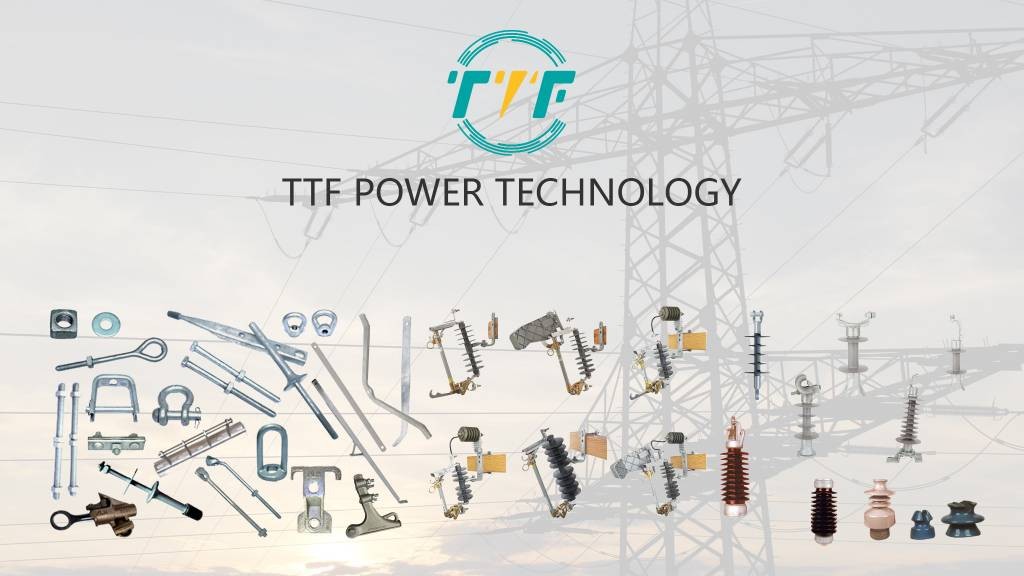
TDDL’s involvement in Argentina’s energy sector may influence technical performance, supply chain dynamics, and the execution of projects. The integration will accelerate grid growth and upgrades, improve reliability and decrease technical losses, bolster quality assurance standards, and aid in renewable energy incorporation. It will also enhance competition, localize supply chains, and mitigate structural risks like currency fluctuations and regulatory unpredictability. TDDL in Argentina can tackle transmission inefficiencies and allow the integration of renewables. The project’s success will hinge on TDDL’s ability to adjust to Argentina’s intricate economic and regulatory environment