
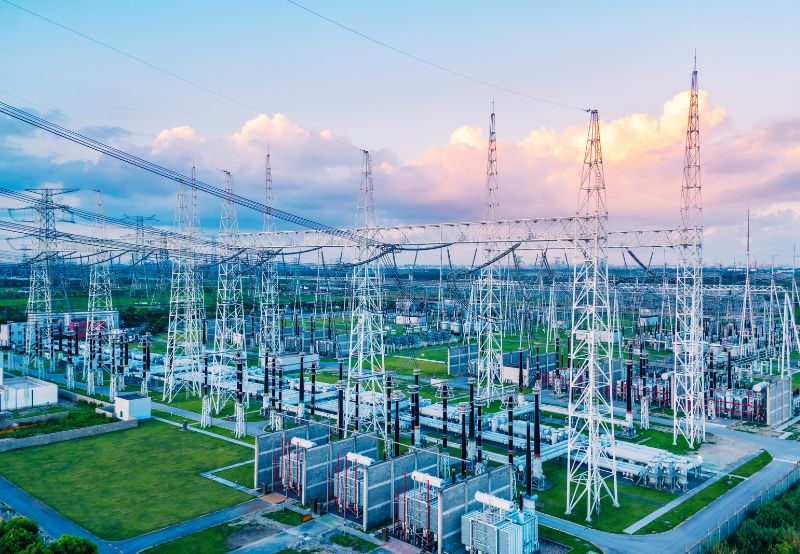
REN acquired Chile’s Transemel and gained ownership and operational control of 423 km of transmission lines and five substations. This infrastructure is crucial for the diverse mining operations that highlight the importance of the strategic value of the transmission network. Mining operations need massive amounts of reliable electricity to power extraction, processing, pumping, and transportation systems. Therefore, transmission infrastructure is essential for maintaining the continuous and stable power supply needed by the mining sector. Additionally, there is an increasing need for robust transmission infrastructure as renewable energy investments rise. Transmission lines and substations are necessary to transport electricity from generation sites to industrial facilities. Transemel’s infrastructure enables integration of new PV plants, transmission of renewable energy, and improvement of grid stability and reliability. Using crossarm insulator pins in the infrastructure creates a secure mechanical bridge by fastening the pin insulator to the crossarm of a utility pole.
Insulator pins support the entire weight of the insulator and the attached power line. It is designed with a rated cantilever load to withstand the conductor’s weight, wind, and vibrations without bending. Crossarm insulator pins created a fixed connection between the insulator and the crossarm to prevent the conductor from swinging. It also ensures the conductor remains at a safe distance from the pole and the ground and prevents electrical arcing. High-quality pins use wide bases to distribute the mechanical loads from poles. Bolting the pin to the crossarm avoids splitting the wood and provides durable attachments.
Quality assurance for crossarm insulator pin in Chilean transmission and substation networks
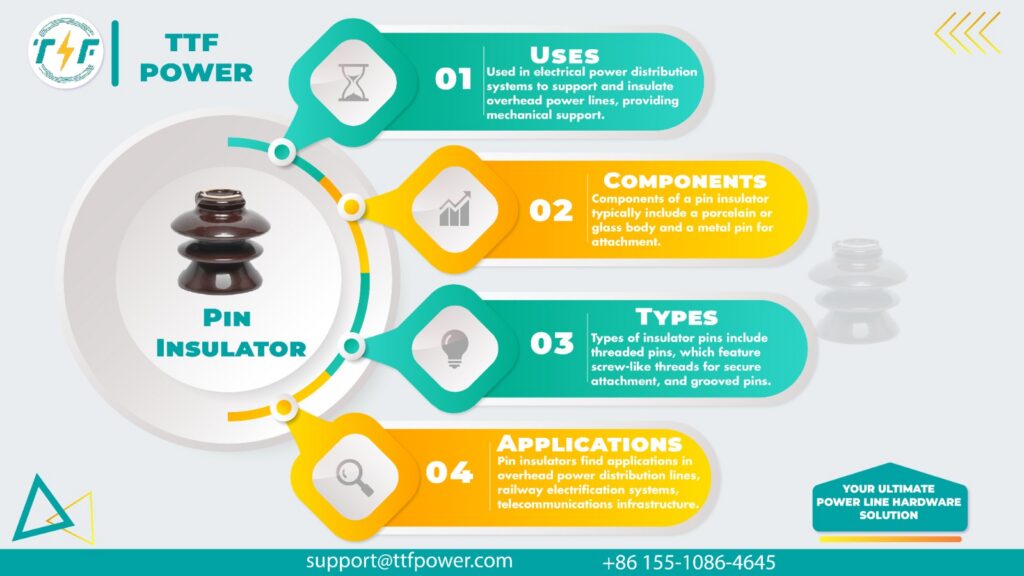
Quality assurance for crossarm insulator pins provides the mechanical connection between insulators and support structures. Their reliability affects line stability, electrical insulation performance, and network safety. Conducting quality assurance ensures that the pins meet the required mechanical, dimensional, and corrosion-resistant specifications before use. The process includes raw material verification, dimensional inspection, mechanical performance testing, thread quality inspection, and weld and fabrication inspection. These measures ensure that the pins can withstand Chile’s challenging operating conditions, including heavy mechanical loading, coastal corrosion, desert environments, and seismic activity.
The roles of the crossarm insulator pins in transmission and substation networks
Crossarm insulator pins serve in overhead transmission, distribution, and substation structures. They serve as the mechanical interface between the supporting structure and the insulator. This ensures that conductors remain positioned while maintaining the electrical insulation needed for power transmission. The pins maintain system reliability and operational safety in the infrastructure. Here are their key roles in the networks.
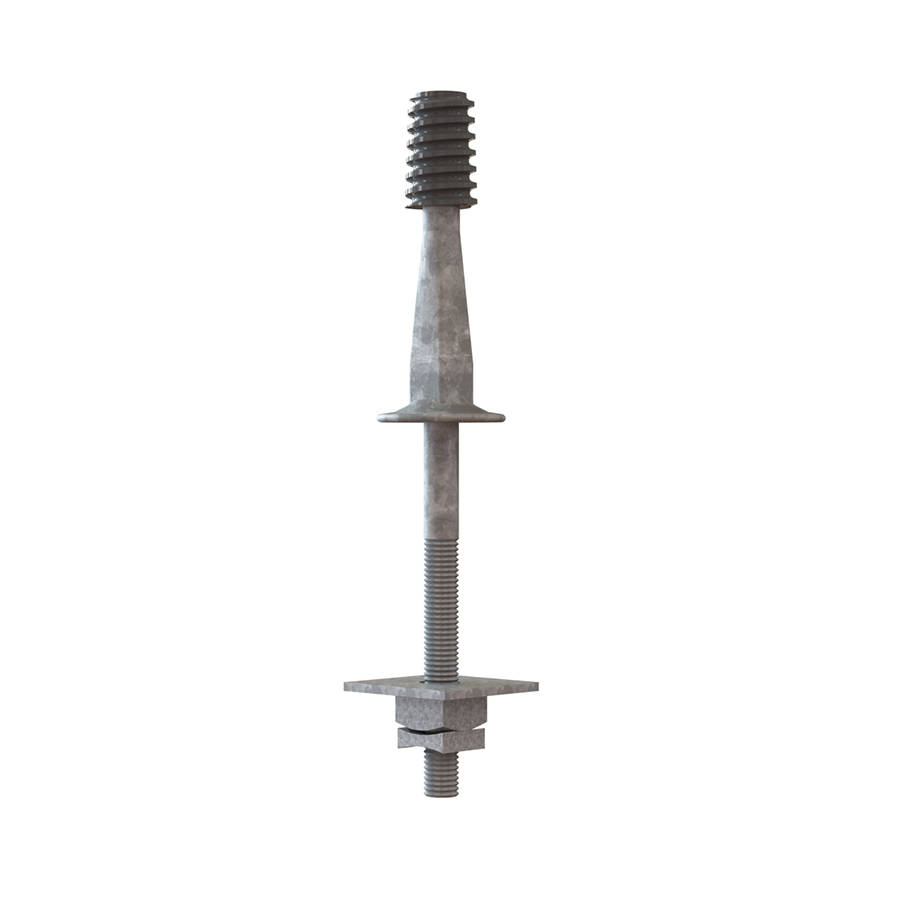
- Supporting insulator installation—the insulator pins mount pin-type insulators onto crossarms, poles, and steel structures. It provides a stable attachment point that allows the insulator to support energized conductors.
- Maintaining mechanical stability – insulator pins withstand mechanical forces acting on overhead lines. They provide the strength needed to maintain conductor positioning under challenging conditions.
- Ensuring electrical insulation performance – the pin contributes to the insulation system by supporting the insulator in its designed position.
- Supporting renewable energy integration—crossarm insulator pins support transmission lines connecting solar farms to the grid, integrate wind generation facilities, and enhance grid flexibility and reliability.
- Supporting substation structures—the pins support insulators carrying busbars, jumpers, and conductors. It provides secure mounting points, maintains conductor alignment, and supports electrical clearances.
The roles of investments in Transemel’s transmission and substations in Chile
Investments in Transemel’s transmission lines and substations strengthen Chile’s electricity infrastructure. Investments also support economic growth, ease renewable energy integration, and improve grid reliability. Transemel’s network serves regions characterized by intensive mining activity and rapid expansion of renewable energy projects such as solar power. These investments enhance power supply reliability, support the mining industry, improve grid capacity, and support energy transition goals. This will allow the transmission and substation infrastructure to deliver reliable, efficient, and sustainable electricity throughout the country.
Materials for crossarm insulator pins
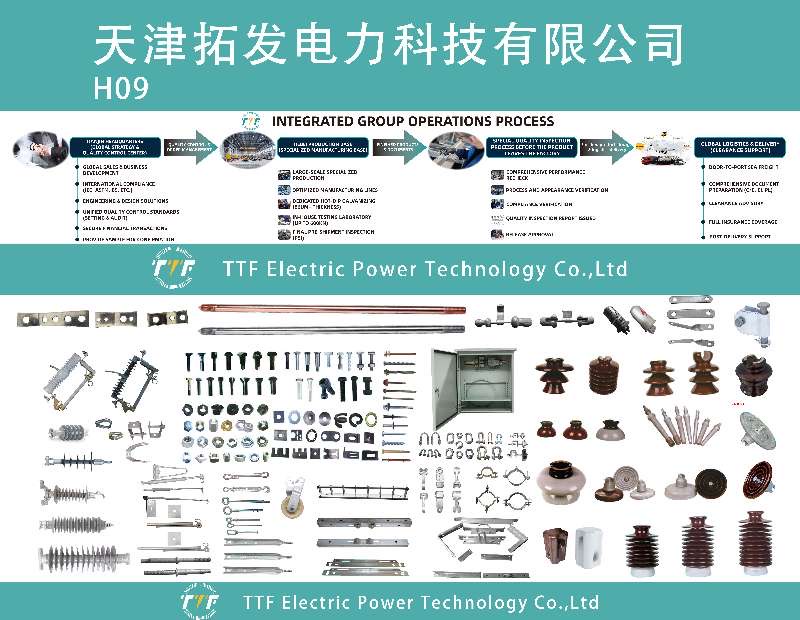
Crossarm insulator pins consist of materials that can withstand mechanical loads and harsh environmental conditions while maintaining reliability. When selecting the materials, it is crucial to consider conductor weight, industrial pollution, service life expectations, and compliance with standards. Common materials for the insulator pins include alloy steel, ductile iron, stainless steel, forged steel, hot-dip galvanized steel, and carbon steel. The materials offer improved fatigue resistance, high mechanical strength, and enhanced structural integrity. Proper material choice ensures reliable insulator support, structural integrity, and dependable operation of transmission and substation networks.