

The global renewable energy company, Zelestra, recently reached a close for the 242 MWdc Babilonia solar PV project in Peru through a $176 million green financing package. After completion, the project will reach 700 MW of installed capacity, which positions it among the largest solar hubs in the country. The project will consist of 394,000 bifacial PV modules to power households and industries. This project is part of a solar development cluster in Arequipa, which includes the San Martin solar plant, with 300 MW, and the San Joaquin solar project, with 125 MW. These projects will create one of the largest solar hubs in Peru to scale up renewable generation. Large solar plants affect generation capacity, grid infrastructure, transmission planning, and the broader energy transition strategy. These interconnections depend on robust power line hardware such as link break cutout fuse.
The cutout fuse protects the system from electrical faults and provides a visible means of disconnecting parts of the circuits for maintenance. Overcurrent interrupts the circuit if the current exceeds a safe threshold due to a fault. The cutout prevents damage to expensive components like solar panels, inverters, and transformers. It also reduces power outages and maintains energy production. The cutout fuse ensures reliable protection in the DC environment of a solar project. It acts as an electromechanical device that functions independently of software, communications, or an external power source. The cutout provides a reliable redundant layer of protection that will operate even when other electronic protection systems fail.
Quality assurance for cutout fuses used in solar projects

Quality assurance for the cutout fuses ensures reliable protection of electrical equipment and safe grid integration. The fuse must meet technical standards to operate under high solar generation loads and outdoor environmental conditions. Manufacturers must design and test the equipment according to international specifications to ensure reliability and compatibility with solar power infrastructure. The process begins with verification of the materials used during the manufacture of the fuse. The materials include porcelain or polymer insulators, copper or aluminum conductive components, and fuse link elements. It also includes electrical performance testing, mechanical testing, and weather resistance testing. During manufacture, QA involves monitoring of the production process to ensure consistency across batches. Quality control measures include dimensional inspections, automated assembly verification, and insulation quality checks.
Functions of the cutout fuse in solar project development by Zelestra in Peru
The development of the Babilonia solar PV project needs protective components within the electrical infrastructure. Cutout fuses install in medium-voltage distribution networks connected to solar farms to safeguard equipment and maintain grid reliability. Their integration into distribution and interconnection systems ensures stable power delivery. This is while protecting critical components of large-scale photovoltaic installations. Here are the functions of the cutout fuse in solar project development in Peru.

- Overcurrent protection—the cutout fuse protects electrical equipment from overcurrent conditions. The fuse detects abnormal current levels, melts the fuse element when current exceeds safe limits, and interrupts the electrical circuit. This prevents damage to inverters, transformers, distribution lines, and grid interconnection equipment.
- Protection of distribution transformers—Cutout fuses protect transformers from internal faults, disconnect the transformer, and prevent cascading failures across the solar farm.
- Isolation of faulty sections—the fuses isolate damaged circuits, allow unaffected parts of the plant to continue operating, and reduce energy production losses.
- Visible disconnection for maintenance—the fuse holder drops open when the fuse operates to create a clear visual indication that the circuit has been disconnected.
- Supporting reliable grid integration—cutout fuses provide fast fault isolation, prevent fault propagation into the transmission network, and maintain voltage stability and system reliability.
Infrastructure supporting solar project development in Peru
The development of solar power facilities relies on the energy infrastructure ecosystem. The plant needs interconnected systems that support power generation, transmission, grid integration, and operational reliability. Here is the infrastructure supporting solar project development in Peru.
- Solar PV generation infrastructure—these include solar PV modules, solar mounting structures, solar trackers, and DC cabling and combiner boxes.
- Power conversion infrastructure—conversion infrastructure includes solar inverters, inverter stations, and power control systems.
- Transformer and substation infrastructure—key equipment includes step-up transformers, collector substations, and protection equipment and switchgear.
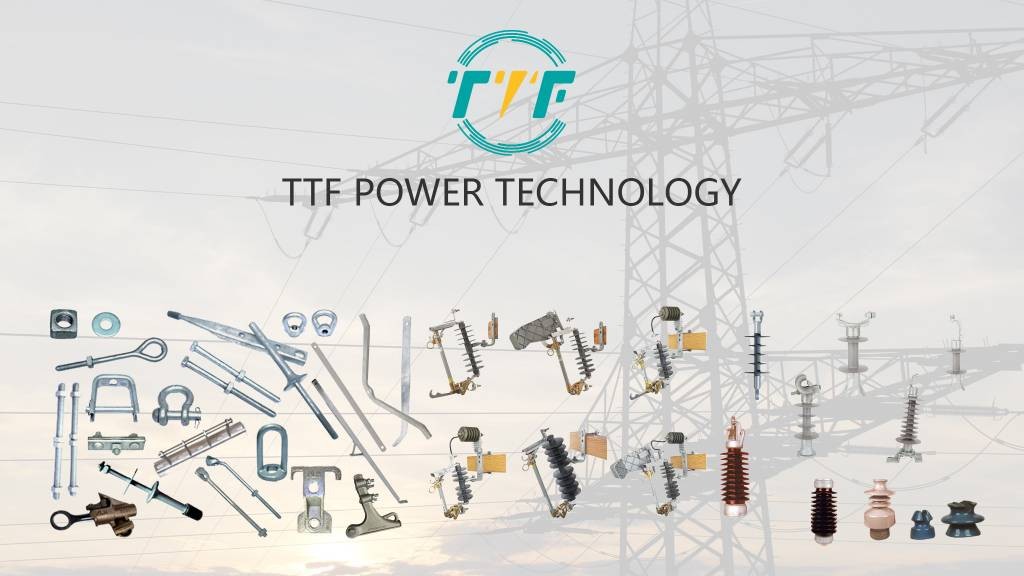
- Transmission line infrastructure—transmission infrastructure enables solar-generated electricity to be delivered to consumption areas. This includes high-voltage transmission lines, transmission towers and line hardware, conductors, and grounding systems.